How to Care for Sunglasses: Heat, Sand, Salt and Storage
To care for sunglasses, keep them out of high heat, rinse off sand and salt water with fresh water, clean them gently with a microfibre cloth and store them in a case. Sunglasses face harsher conditions than everyday glasses, so a few simple habits make a big difference to how long they last.
Quick answer: Never leave sunglasses on a car dashboard, rinse them with fresh water after the beach, dry them with a microfibre cloth and keep them in a hard case when you are not wearing them.
Why sunglasses need extra care
Sunglasses spend their lives outdoors. In New Zealand that often means strong sun, beaches, boats and hot cars. Many sunglasses also have special lens treatments. Polarised lenses have a filter layer that cuts glare, and mirror lenses have a thin reflective coating on the front. These treatments work well but can be damaged by heat, grit and harsh cleaners.
If you are not sure what kind of lenses you have, our guides to polarised vs non-polarised sunglasses and sunglasses lens colours and categories explain the options.
Heat: the hidden enemy
A parked car in summer can get very hot inside, and the dashboard is often the hottest spot of all. Heat can:
- Warp plastic and acetate frames so they no longer sit straight.
- Cause lens coatings to crack in a fine web pattern, known as crazing.
- Weaken the layers inside polarised lenses.
- Loosen lenses from the frame.
Keep your sunglasses in a case in the glovebox, in a bag, or with you. Never leave them face-up on the dashboard or rear shelf. Avoid putting them near heaters, campfires or barbecues too.
Sand, salt water and sunscreen
Beach days are hard on sunglasses. Sand is very abrasive. If you wipe a sandy lens, you are rubbing grit across the surface. Salt water leaves crystals that also scratch, and it can corrode metal hinges and screws over time. Sunscreen can leave a greasy film and some ingredients may affect coatings and frame finishes.
After a day at the beach or on the water:
- Rinse the sunglasses under cool or lukewarm fresh water to wash away sand and salt.
- Use a drop of mild dish soap to remove sunscreen and skin oil.
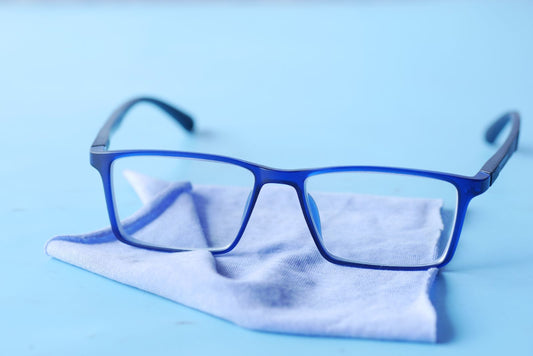
- Rinse again and pat dry with a clean microfibre cloth.
- Dry the hinges too, so salt water does not sit in them.
The full routine is in our guide on how to clean glasses properly, and it works for sunglasses too. If you spend a lot of time on the water or trails, have a look at sunglasses for sport and outdoors for frames built to cope.
Caring for polarised and mirror lenses
Polarised and mirror lenses need the gentlest treatment.
- Avoid harsh chemicals. Glass cleaners, ammonia and alcohol can damage the coatings.
- Do not dry-wipe. Rinse first, especially if there is dust or sand.
- Watch for peeling. If a mirror coating starts to flake, it cannot be repaired by cleaning. The lenses may need replacing.
- Keep them separate. Do not toss mirrored sunglasses loose in a bag with keys and coins.
Storing your sunglasses
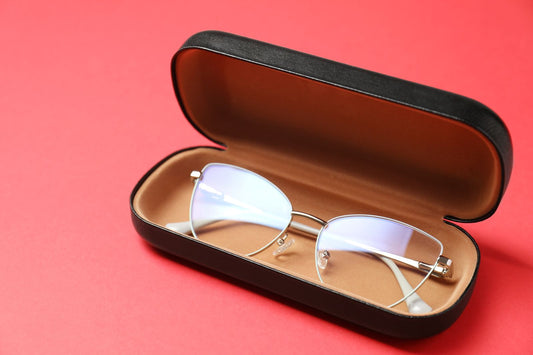
A hard case is the best protection. Soft pouches are handy for cleaning and stop scratches, but they will not protect against being sat on or crushed. When you take your sunglasses off for a moment, fold them and place them with the lenses facing up, never lens-down on a table.
Avoid pushing sunglasses up onto your head for long periods. It stretches the arms and loosens the fit. Our guide on how to store and carry glasses has more storage ideas.
| Situation | Do | Avoid |
|---|---|---|
| In the car | Case in the glovebox or a bag | Dashboard or rear shelf |
| At the beach | Rinse with fresh water afterwards | Wiping sandy lenses |
| Out and about | Fold, lenses up, or in a case | Hooked on a shirt or on your head all day |
| At home | Hard case in a drawer | Loose on a sunny windowsill |
When sunglasses need attention
Sunglasses that slide down your nose or sit crooked may just need an adjustment. Loose hinges can often be tightened. A bent arm can sometimes be reshaped. If your sunglasses are damaged, see our guide on what glasses repairs can be done or visit our glasses repair page.
Remember that sunglasses are there to protect your eyes as well as look good. Scratched or damaged lenses can make vision less clear. Our guide to UV protection and sunglasses in NZ explains why good lenses matter here. For general sun safety advice, visit SunSmart.
Key terms
- Polarised lens
- A lens with a filter that blocks reflected glare from flat surfaces like water and roads.
- Mirror coating
- A thin reflective layer on the front of the lens that reduces the light reaching your eyes.
- Crazing
- A web of fine cracks in a lens coating, usually caused by heat.
- Acetate
- A plant-based plastic used for many frames. It can soften and warp in high heat.
Frequently asked questions
Can I leave my sunglasses in the car?
In a case in the glovebox is generally fine, but never on the dashboard or in direct sun. High heat can warp frames and damage coatings.
How do I get salt off my sunglasses?
Rinse them under fresh water as soon as you can, wash gently with mild dish soap, rinse again and pat dry with a microfibre cloth.
Can scratched sunglasses lenses be replaced?
Often, yes, depending on the frame. Bring them into our Panmure store and we can check whether new lenses can be fitted.
Do polarised lenses wear out?
The polarising filter is built into the lens and normally lasts for the life of the lens, but heat and damage can affect it. Look after them and they should serve you well.
Need a new pair or a tune-up for your favourites? Browse our sunglasses collection or visit our Panmure store at 8 Pilkington Road, open 7 days, for adjustments and advice.
Tags:
Previous
How to Store and Carry Glasses Safely at Home and Away
Next
UV Protection and Sunglasses in NZ: What You Need to Know