Photochromic Transition Lenses Explained: How They Work
Photochromic lenses, often called Transitions after a well-known brand, are clear indoors and darken automatically when exposed to UV light outdoors. They let one pair of glasses act as both everyday glasses and light sunglasses. They are handy, but they have limits, especially in cars and in very hot or cold weather.
Quick answer: Photochromic lenses darken in UV light and clear again indoors. They are convenient, but they usually do not darken much behind a car windscreen, so many drivers also keep a pair of prescription sunglasses.
How photochromic lenses work
Photochromic lenses contain special molecules that change shape when ultraviolet (UV) light hits them. When they change shape, they absorb more visible light, so the lens darkens. When the UV goes away, the molecules return to normal and the lens clears.
- Outdoors: the lenses darken within a minute or so in bright sun.
- Back indoors: they fade back to clear, which typically takes longer than darkening, often a few minutes.
- Cloudy days: UV still gets through cloud, so the lenses will usually darken to some degree.
Speed and darkness vary by brand, lens material and conditions, so it is worth asking about the specific product before you buy.
The limits you should know about
Cars and windscreens
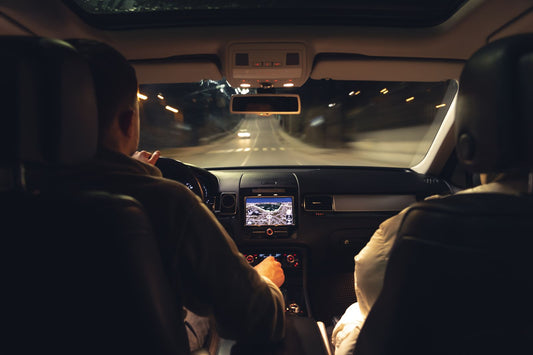
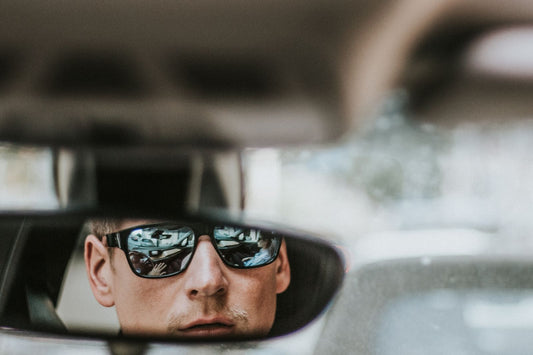
Most car windscreens block a lot of UV. Because standard photochromic lenses react to UV, they often stay fairly light while you are driving. Some newer products react partly to visible light and darken a little behind glass, but usually not as much as sunglasses. If you drive a lot in bright conditions, prescription sunglasses are often the better tool. Our guide to glasses for driving and night driving has more on this.
Temperature
Photochromic lenses are affected by temperature:
- Cold: lenses tend to get darker but take longer to clear.
- Heat: lenses may not get as dark on a hot summer day.
Not polarised (usually)
Most photochromic lenses are not polarised, so they will not cut glare from water and roads the way polarised sunglasses can. Learn the difference in our guide to polarised vs non-polarised sunglasses.
Ageing
Over a number of years, the photochromic effect can slowly weaken, so lenses may not get as dark or clear as fully as they once did.
Photochromic lenses vs prescription sunglasses
| Photochromic lenses | Prescription sunglasses | |
|---|---|---|
| Indoors | Clear, wear all day | Too dark for indoor use |
| Outdoors | Darken in UV | Consistently dark |
| Driving | Often stay light behind a windscreen | Work well in the car |
| Glare from water | Usually not polarised | Can be polarised |
| Convenience | One pair does both | Need to swap pairs |
Many people end up with both: photochromic lenses in their everyday glasses for convenience, and a dedicated pair of prescription sunglasses for driving, beach days and sport. If you go down the sunglasses route, our guide to sunglasses lens colours and categories will help you choose a tint.
Who suits photochromic lenses?
They are a good fit if you:
- move in and out of buildings often during the day
- do not want to carry and swap two pairs of glasses
- want everyday UV protection in your regular glasses
- find bright light uncomfortable when walking around outdoors.
They may be less suited to you if you mainly need sunglasses for driving, water sports or very bright conditions such as snow. For those, see sunglasses for sport and the outdoors.
UV protection and Aotearoa conditions
UV levels in New Zealand can be high, especially from spring to autumn. Good photochromic lenses block UV whether they are clear or dark, which is a real plus. For more on why UV matters here, read our guide to UV protection and sunglasses in NZ, and check the daily UV advice from SunSmart.
Photochromic lenses can be made in many lens materials and as single vision or progressive lenses, so most prescriptions can be catered for. Read more about single vision, bifocal and progressive lenses and anti-reflective coating, which pairs well with photochromic lenses.
Key terms
- Photochromic
- A lens that changes tint in response to light, usually UV, darkening outdoors and clearing indoors.
- Transitions
- A well-known brand of photochromic lenses. The name is often used to describe photochromic lenses in general.
- UV (ultraviolet) light
- Invisible light from the sun that can harm eyes and skin. It is what triggers most photochromic lenses.
- Fade-back time
- How long a darkened photochromic lens takes to return to clear once you go indoors.
- Polarised lens
- A lens with a filter that cuts horizontal glare, such as reflections off water and roads.
Frequently asked questions
Do photochromic lenses work in the car?
Usually only a little. Most windscreens block much of the UV that triggers the lenses, so they tend to stay fairly light. Prescription sunglasses are often better for driving.
Can photochromic lenses replace sunglasses?
For casual everyday use, many people find they do. For driving, water, snow or long days in bright sun, dedicated sunglasses are usually more effective.
Do photochromic lenses protect against UV when clear?
Quality photochromic lenses generally block UV whether clear or tinted. Ask about the specific lens to be sure.
Can I get photochromic lenses in my current frame?
Often, yes. If your frame is in good condition, it can usually be reglazed with photochromic lenses. We can check suitability in store.
Thinking about light-reactive lenses? Pop into our Panmure store to compare options, ask about reglazing your frame, or browse our sunglasses collection for a dedicated pair.
Tags:
Previous
How to Read Your Glasses Prescription: SPH, CYL, AXIS and ADD
Next
How Glasses Should Fit: Signs of a Good Fit and Easy Fixes