
Eyewear Guide



What Is Pupillary Distance (PD) and Why Does It Matter?
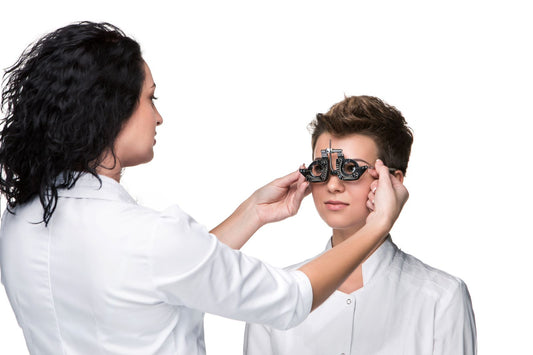
Pupillary distance, usually shortened to PD, is the distance between the centres of your two pupils, measured in millimetres. It tells the lens maker exactly where...
Nov 03 2026
How to Read Your Glasses Prescription: SPH, CYL, AXIS and ADD
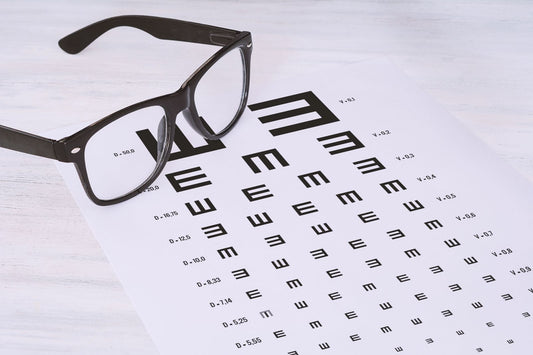
Your glasses prescription is a short code that tells a lens maker exactly how to correct your vision. It lists numbers for each eye, such as...
Nov 03 2026
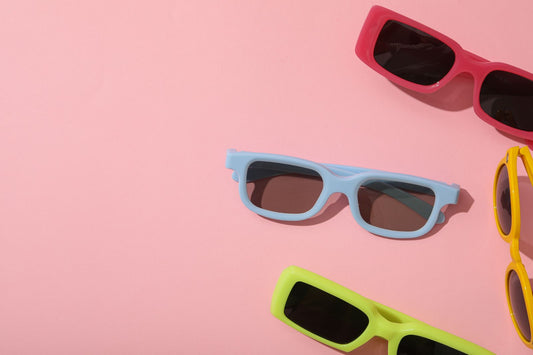
Sunglasses Lens Colours and Categories: A Simple Guide
Sunglasses lenses come in different tint colours and darkness levels, and each one changes how you see the world. Grey keeps colours natural, brown boosts contrast,...
Nov 03 2026

Polarised vs Non-Polarised Sunglasses: Which Should You Pick?
Polarised sunglasses have a special filter that blocks the harsh, flat glare reflecting off water, wet roads, snow and car bonnets. Non-polarised sunglasses reduce overall brightness...
Nov 03 2026

Photochromic Transition Lenses Explained: How They Work
Photochromic lenses, often called Transitions after a well-known brand, are clear indoors and darken automatically when exposed to UV light outdoors. They let one pair of...
Nov 03 2026

Anti-Reflective Coating Explained: Benefits, Care and Options
An anti-reflective coating is a very thin layer on your lenses that cuts down the reflections bouncing off the front and back surfaces. It lets more...
Nov 03 2026

Lens Materials and Thickness: CR-39 to High-Index Explained
Lens materials decide how thick, light and tough your glasses will be. The main options are CR-39 plastic, polycarbonate, Trivex and high-index plastics (1.6, 1.67 and...
Nov 03 2026

Single Vision vs Bifocal vs Progressive Lenses Explained
Single vision lenses have one prescription across the whole lens, for either distance or reading. Bifocal lenses have two zones, usually distance on top and reading...
Nov 03 2026
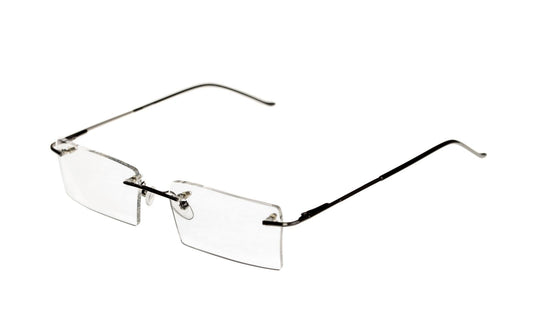
Full-Rim vs Semi-Rimless vs Rimless Glasses: What to Choose
Full-rim glasses have a frame all the way round each lens, semi-rimless glasses have a rim on the top only, and rimless glasses have no rim...
Nov 03 2026

How Glasses Should Fit: Signs of a Good Fit and Easy Fixes
Glasses should sit level on your face, rest comfortably on your nose, hold gently behind your ears and stay in place when you look down. Your...
Nov 03 2026
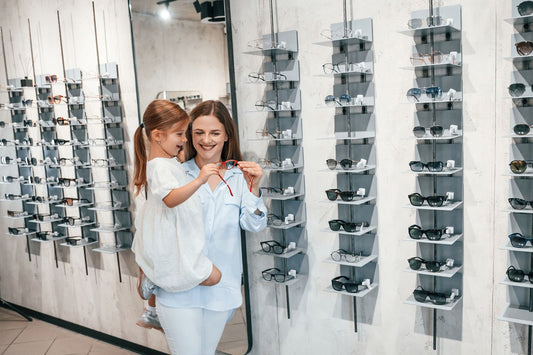
Eyewear Glossary A to Z: 40+ Glasses Terms Explained
Eyewear comes with a lot of jargon. This A to Z glossary explains more than 40 common terms for frames, lenses, sunglasses and prescriptions in plain...
Nov 03 2026
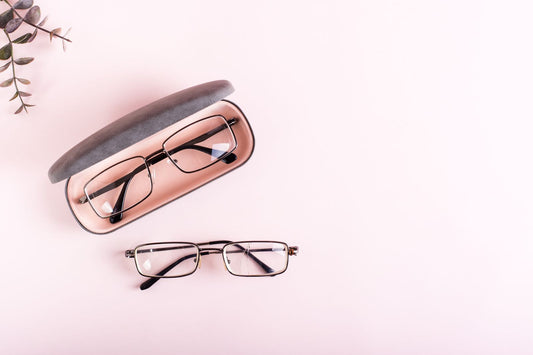
Glasses Frame Materials Explained: Acetate, Metal, Titanium
Glasses frames are mostly made from plastics such as acetate, injected plastic and TR90, or metals such as stainless steel, titanium and beta-titanium, with wood as...
Nov 03 2026